Reloncaví Sound, Chile, 2025Seno de Reloncaví, Chile, 2025
The coasts of the Reloncaví Sound in Chile were once covered by extensive beds of pelillo, a red seaweed traditionally harvested by coastal communities. Its fate changed dramatically with the rise in global demand for agar-agar, a compound extracted from algae and widely used in the food, pharmaceutical, and cosmetic industries, particularly in Asia. The algae became known as “green gold,” drawing workers from across the country to the intertidal zone, intensifying extraction until natural beds collapsed and cultivation replaced wild harvesting.
Today, years of clonal cultivation and domestication have weakened pelillo’s capacity to adapt in an ocean increasingly affected by rising temperatures and acidification. These pressures are compounded by nutrient loading and organic waste from salmon farming, which have further degraded coastal waters. Scientists warn that this combination of stresses has pushed the species to a critical point. As pelillo struggles to persist, the future of the algae and the artisanal trade that shaped these coastal communities stands in jeopardy.
Las costas del Seno de Reloncaví en Chile estuvieron alguna vez cubiertas por extensas praderas de pelillo, un alga roja cosechada tradicionalmente por las comunidades costeras. Su destino cambió drásticamente con el aumento de la demanda mundial de agar-agar, un compuesto extraído de las algas y ampliamente utilizado en las industrias alimentaria, farmacéutica y cosmética, particularmente en Asia. El alga pasó a ser conocida como el “oro verde”, atrayendo a trabajadores de todo el país hacia la zona intermareal e intensificando la extracción hasta que las praderas naturales colapsaron y el cultivo reemplazó a la recolección silvestre.
Hoy, años de cultivo clonal y domesticación han debilitado la capacidad de adaptación del pelillo en un océano cada vez más afectado por el aumento de las temperaturas y la acidificación. Estas presiones se ven agravadas por la carga de nutrientes y los desechos orgánicos de la salmonicultura, que han degradado aún más las aguas costeras. Los científicos advierten que esta combinación de factores estresantes ha llevado a la especie a un punto crítico. Mientras el pelillo lucha por persistir, el futuro del alga y del oficio artesanal que dio forma a estas comunidades costeras se encuentra en peligro.
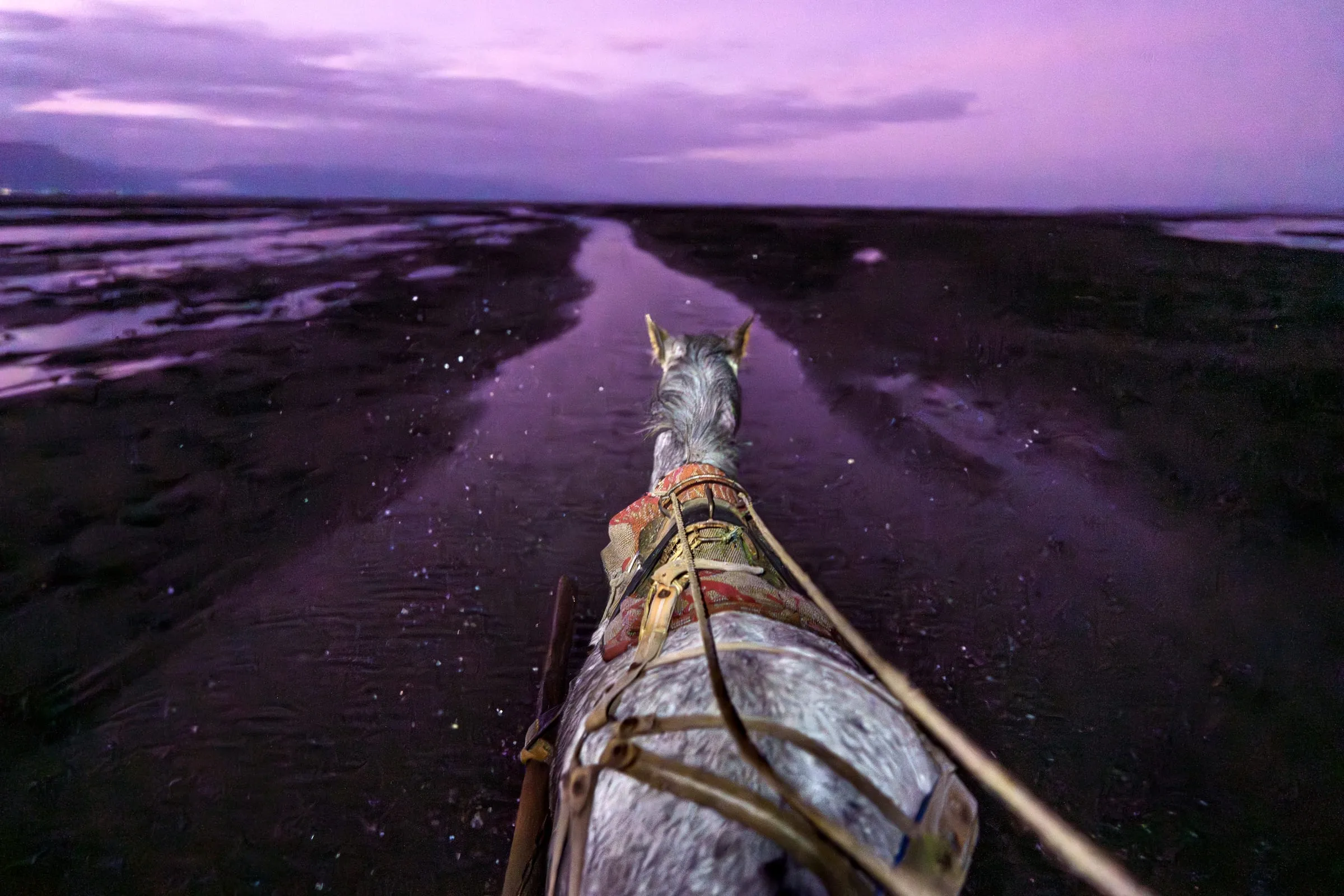
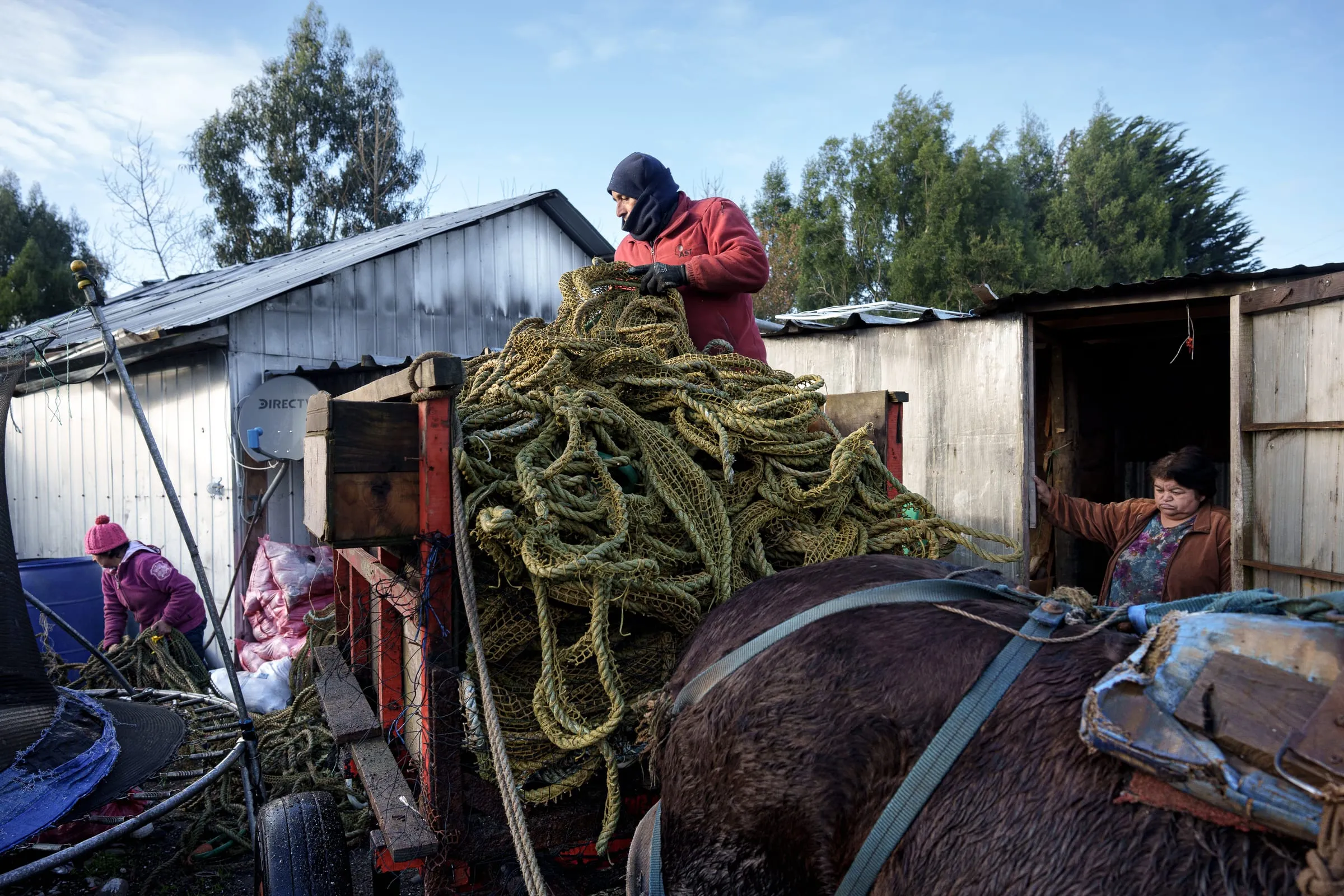
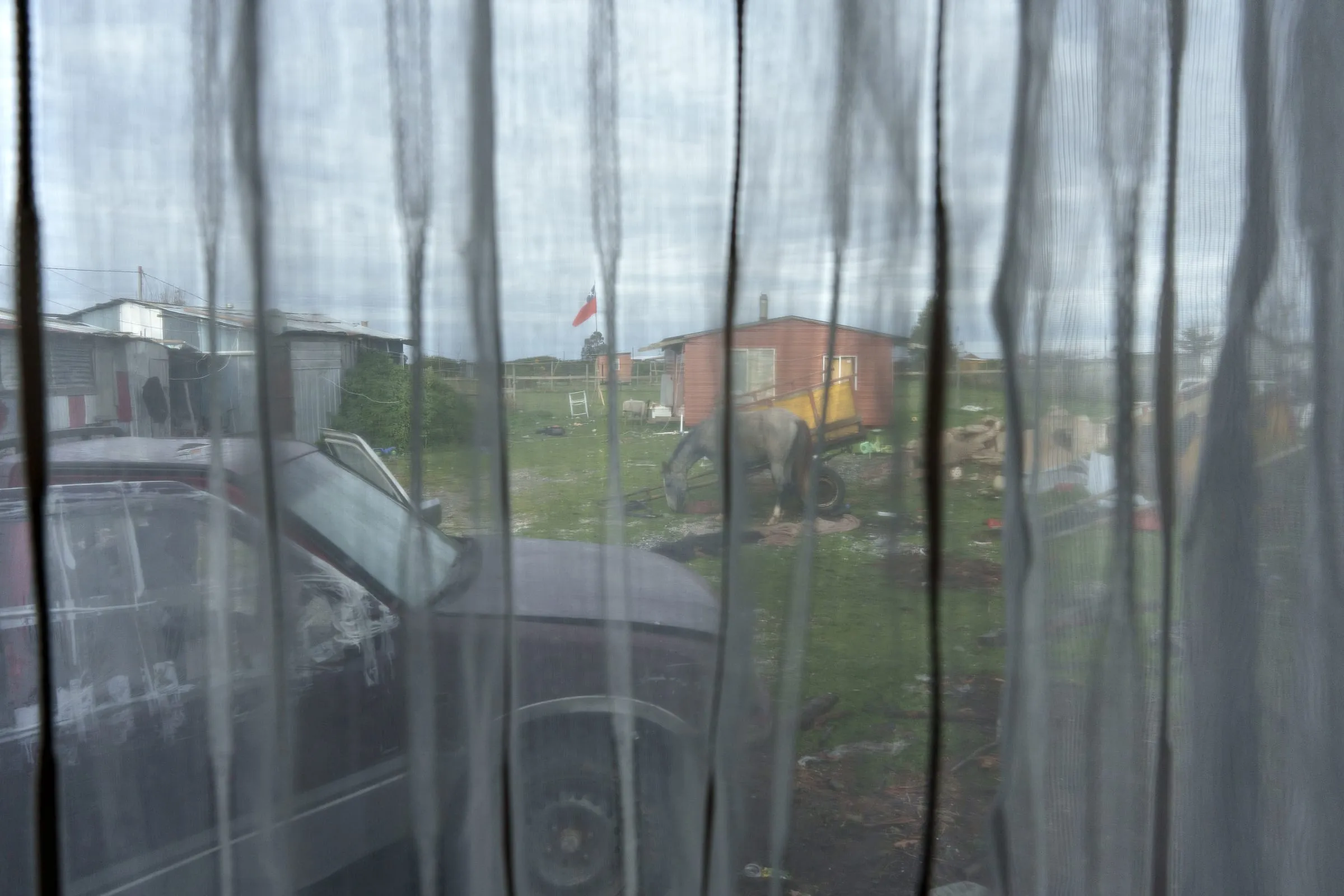
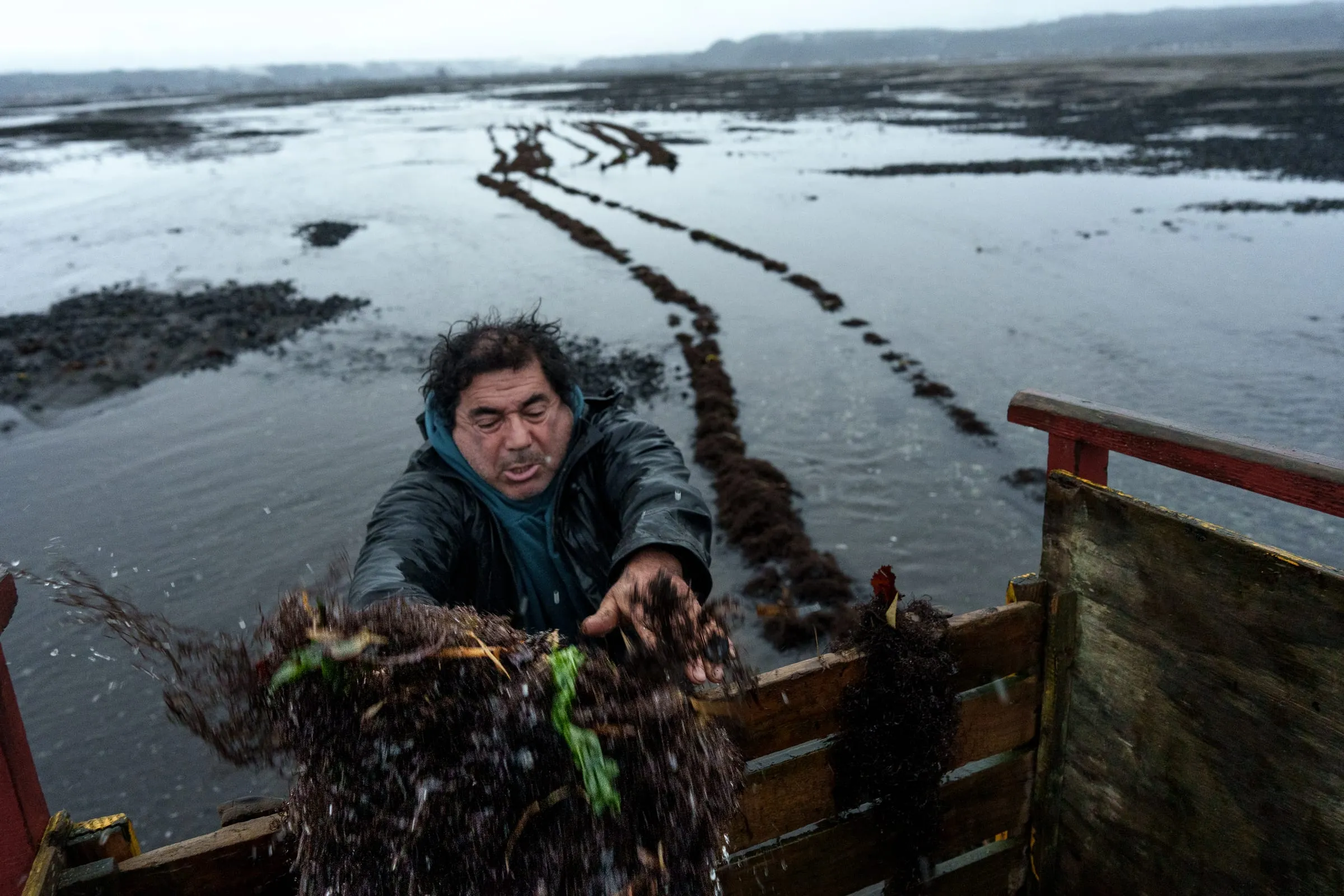
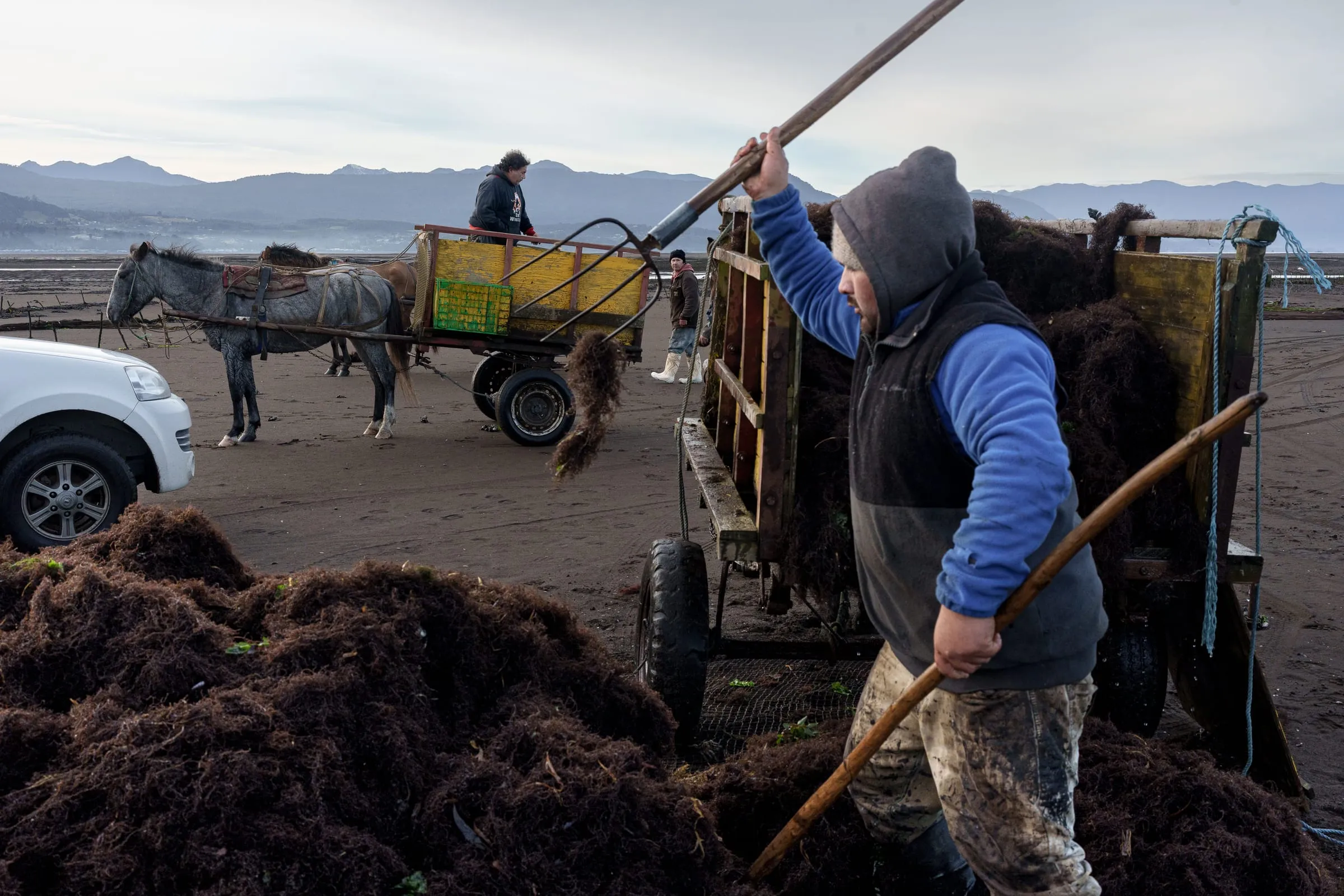
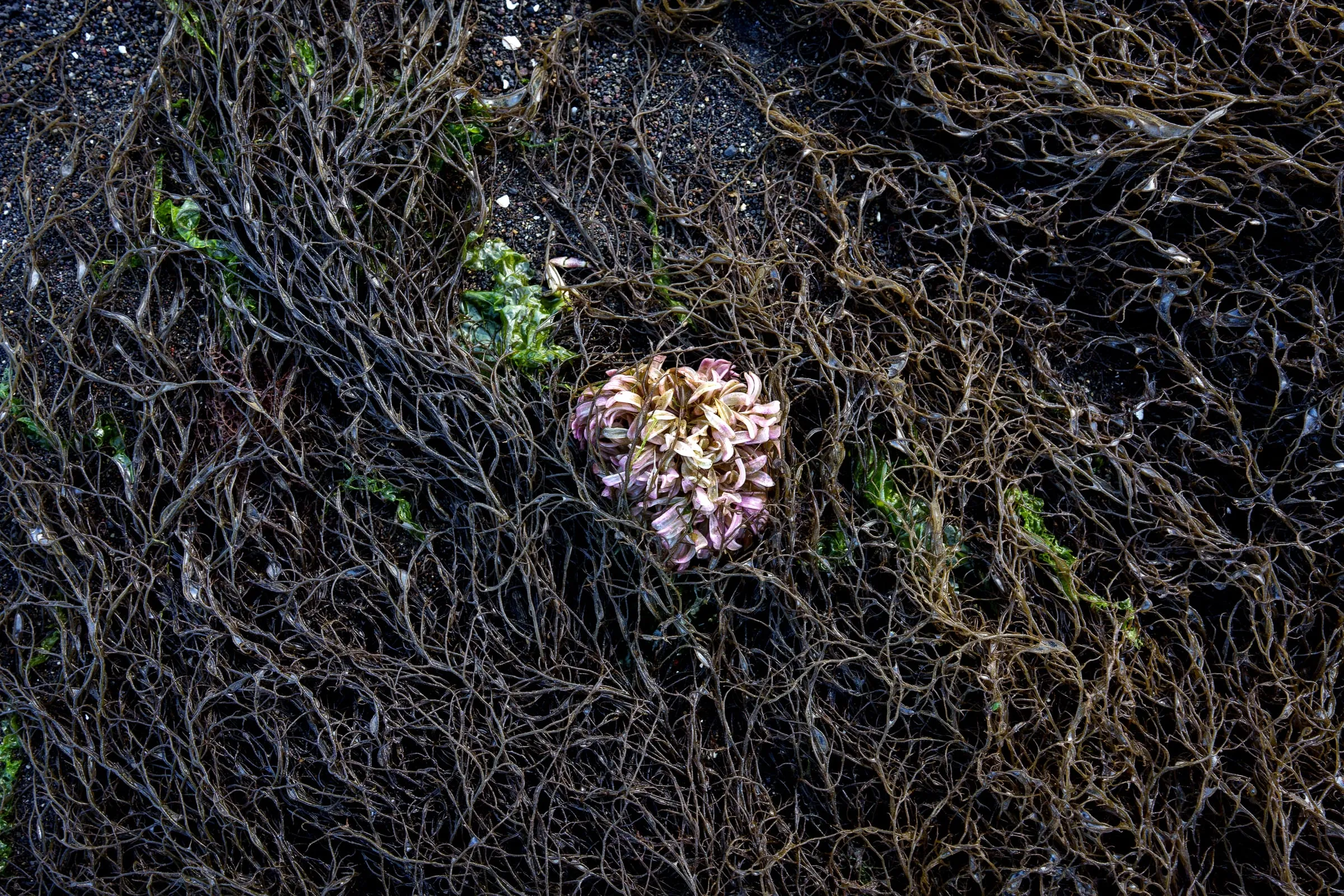
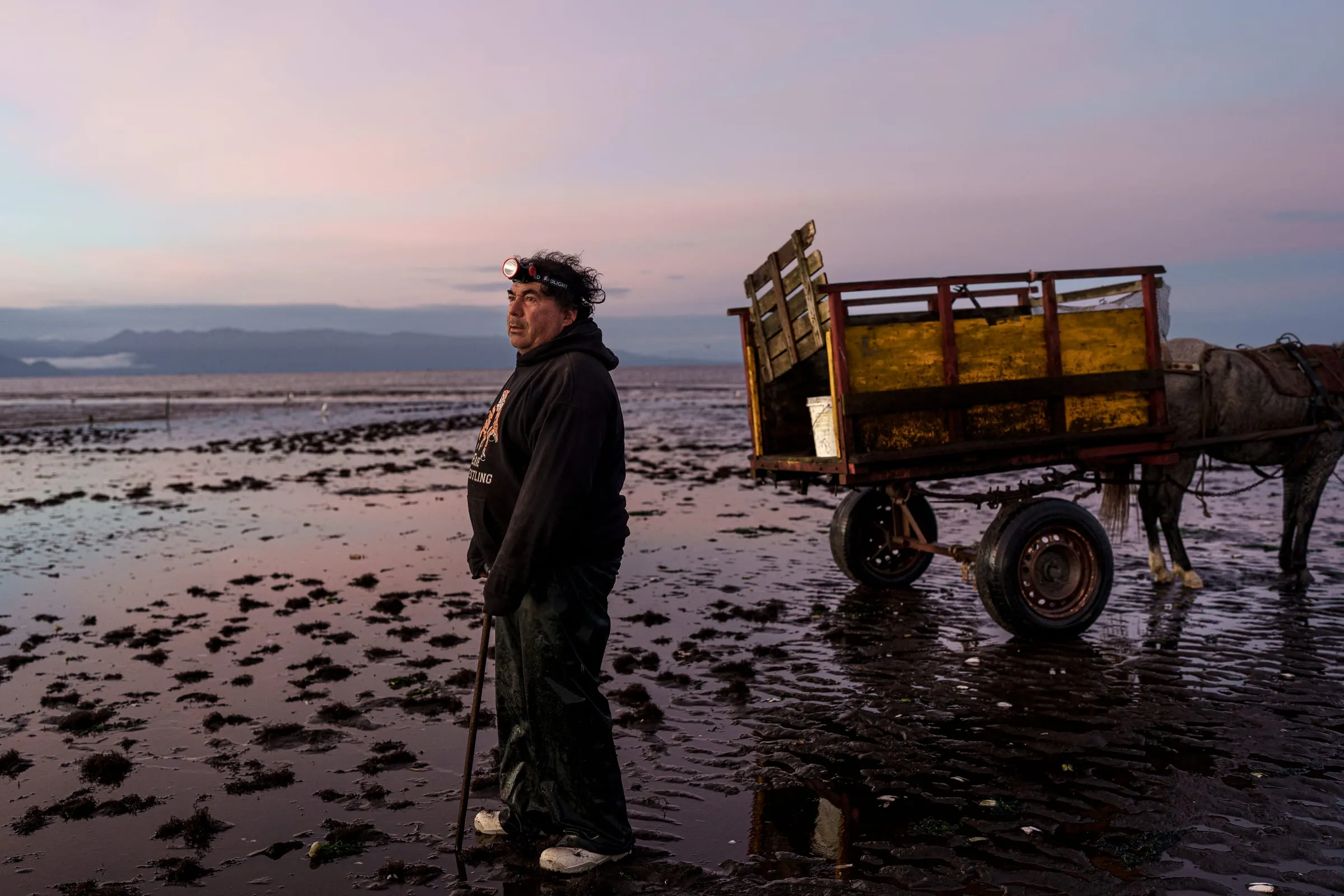
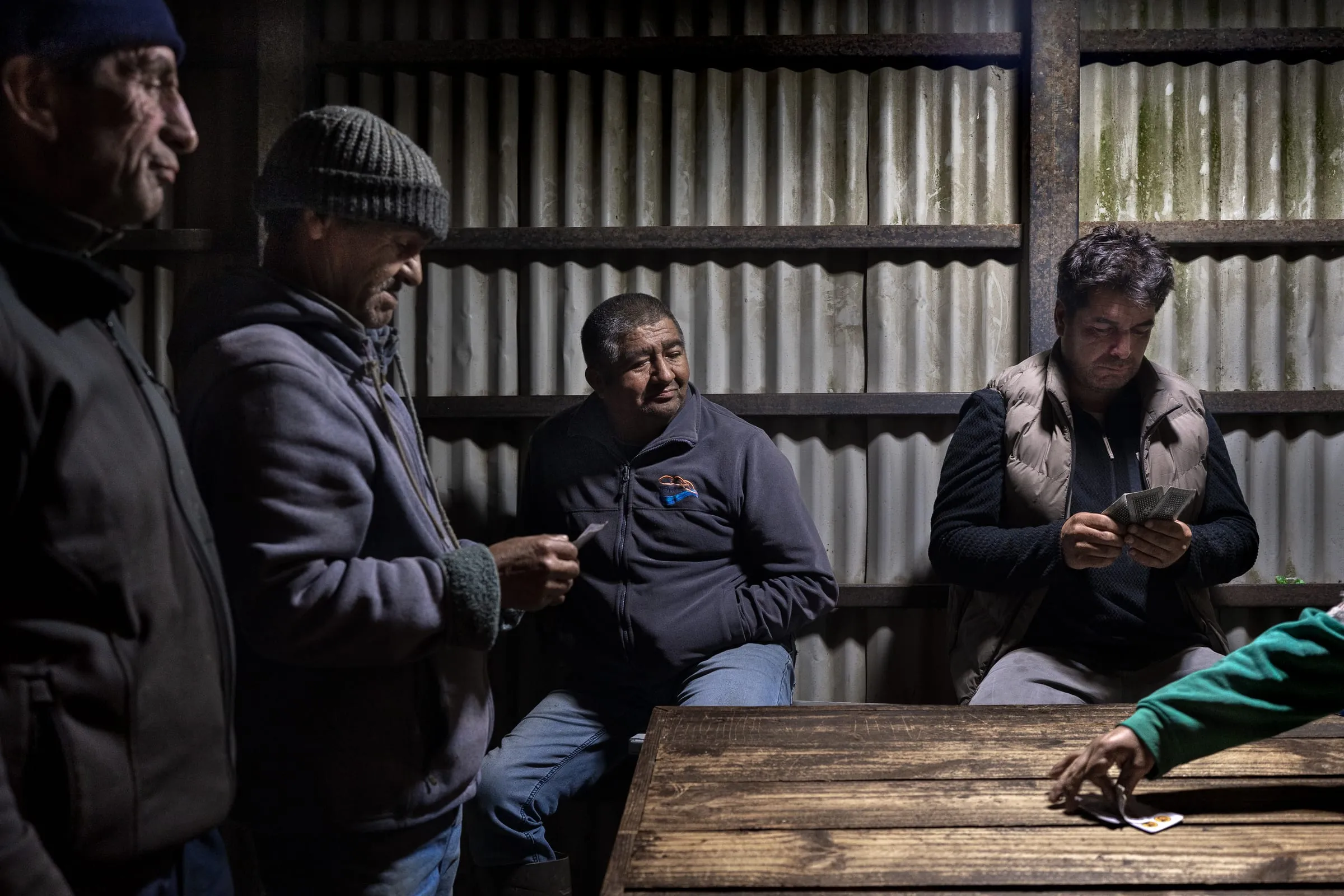
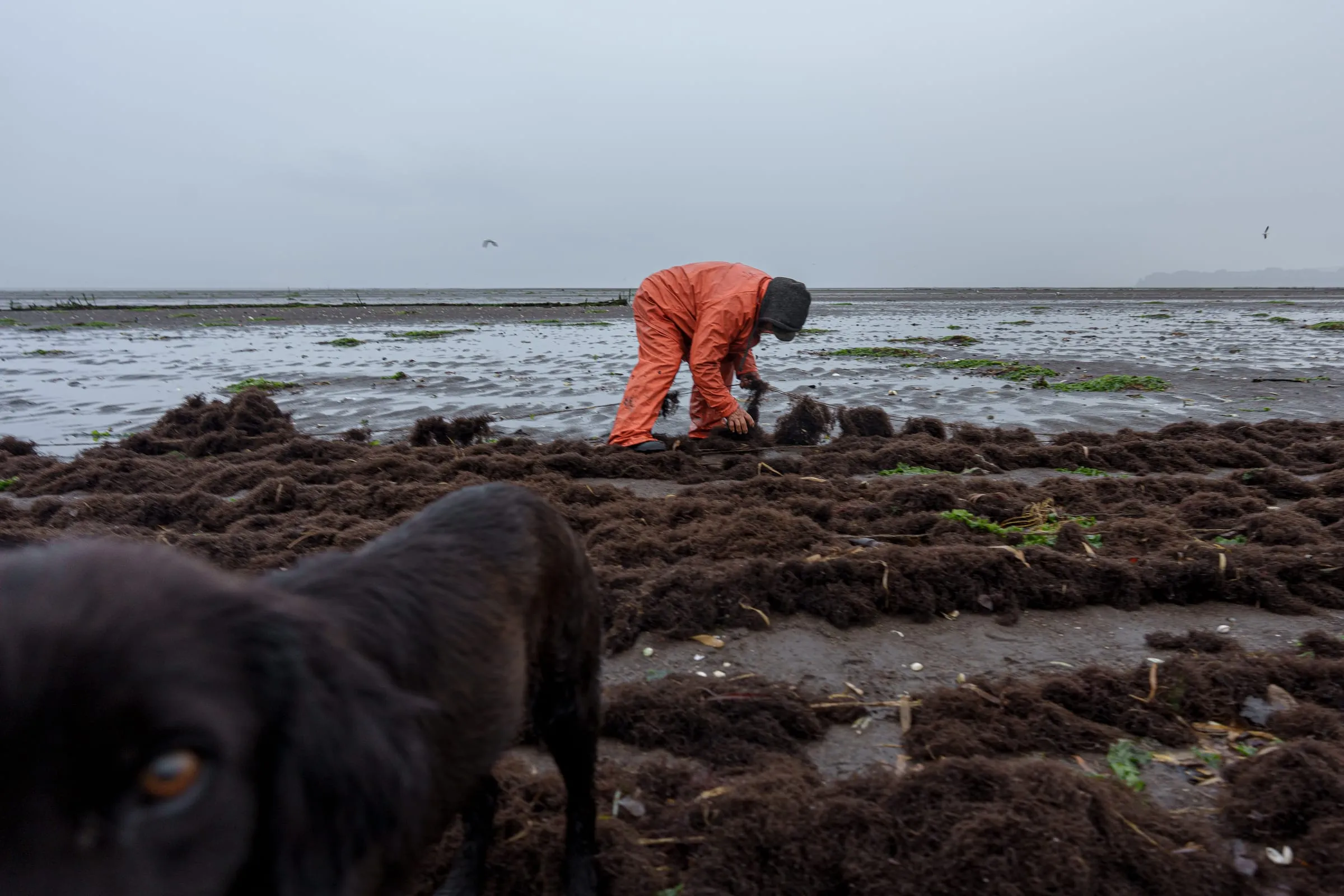
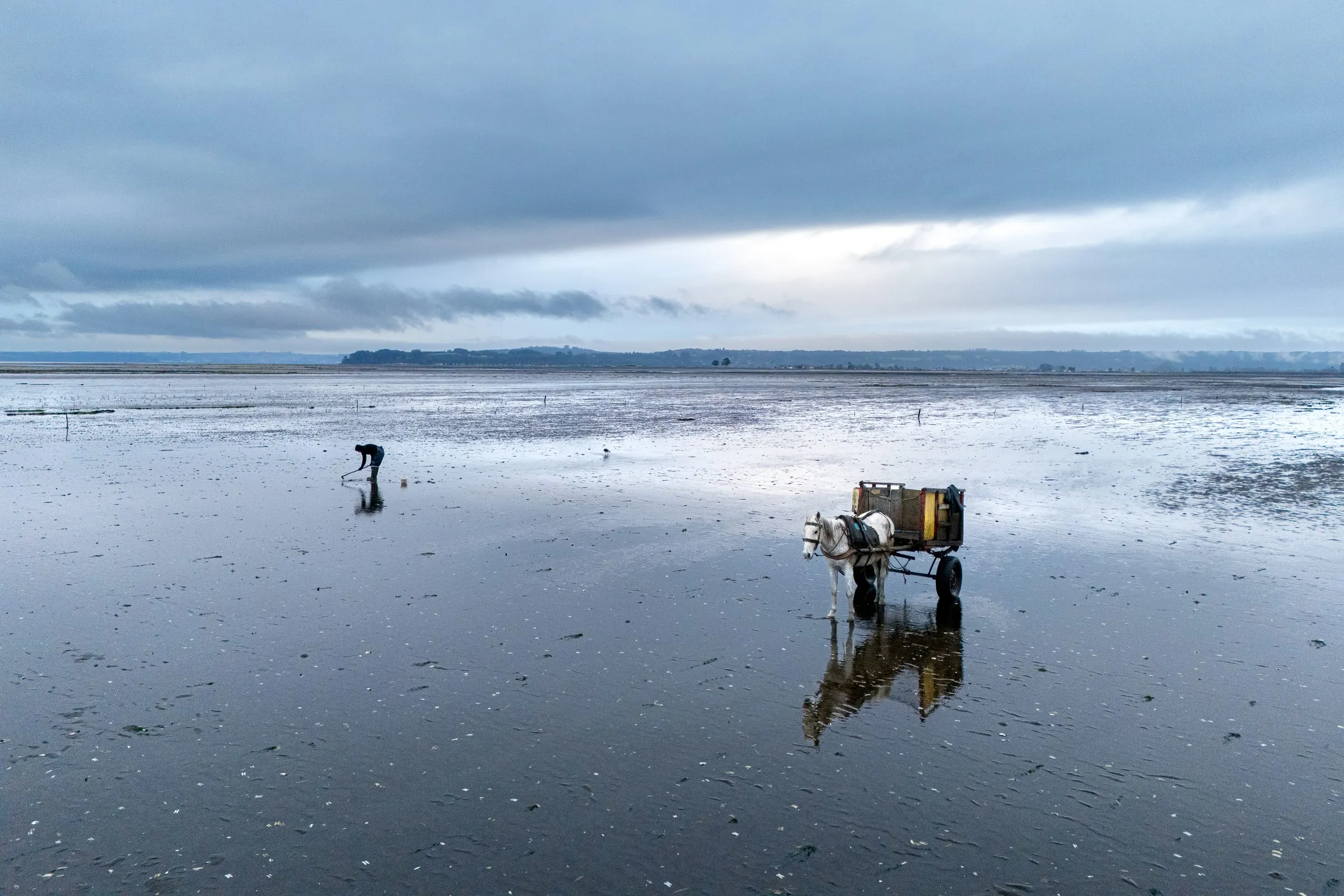
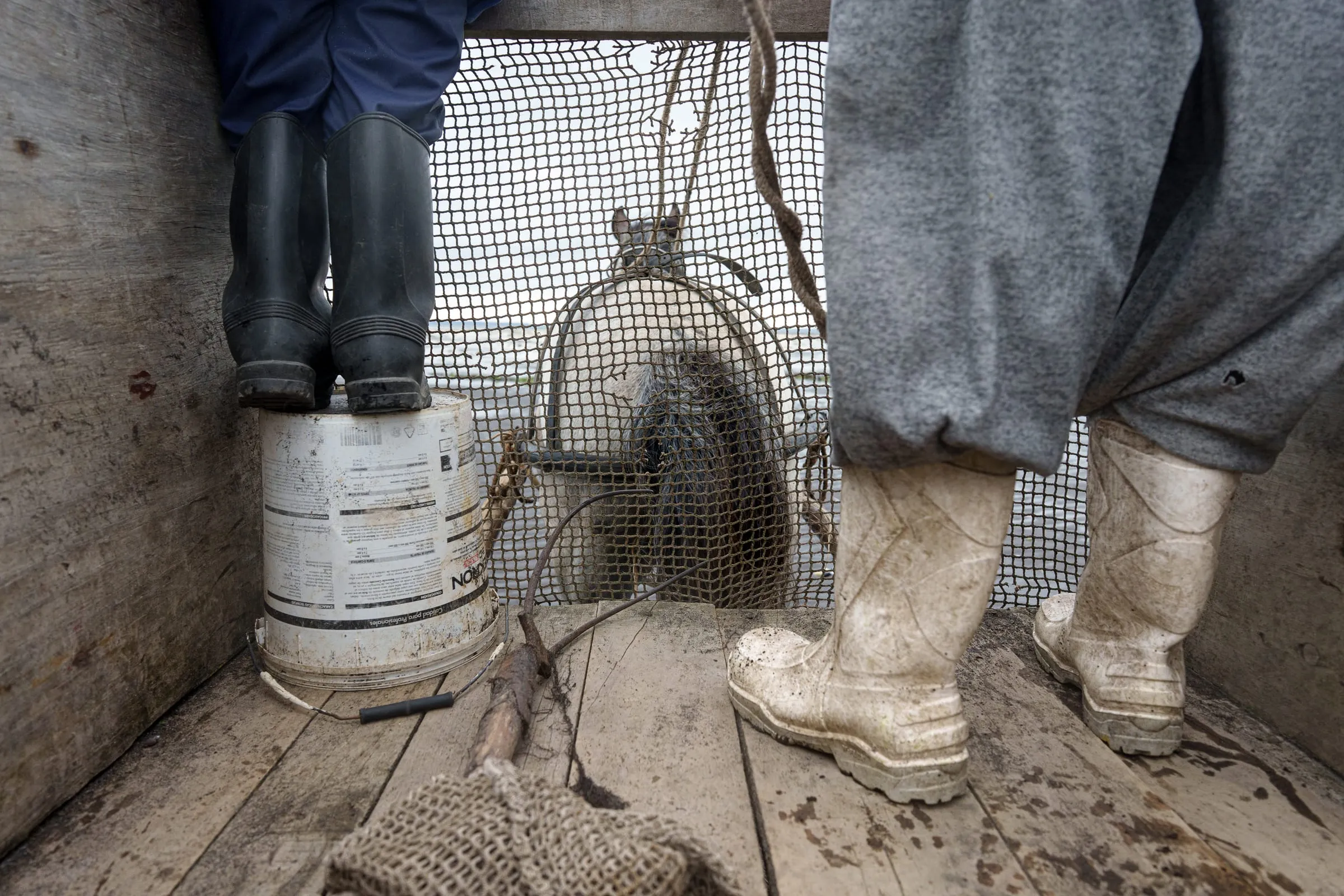
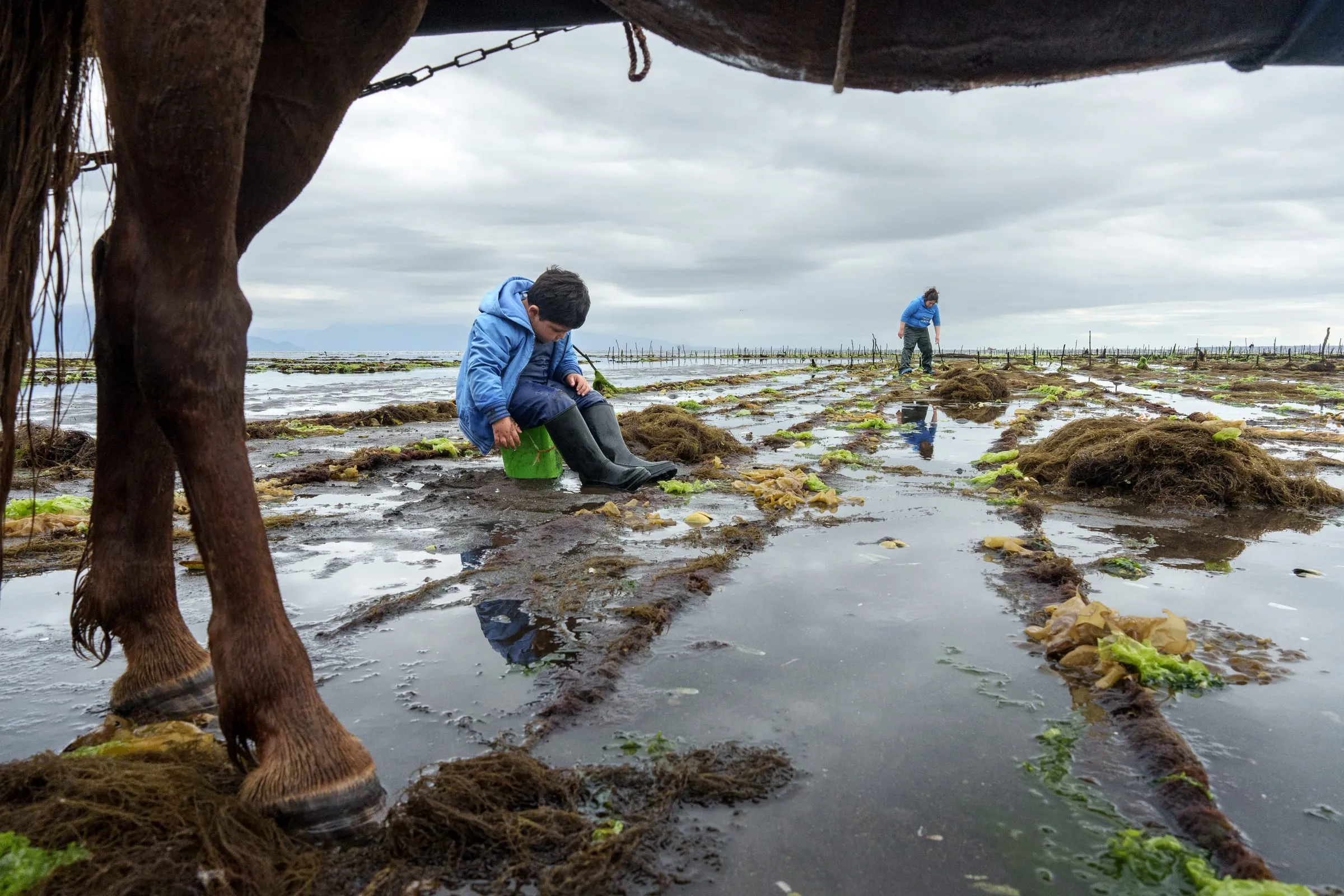
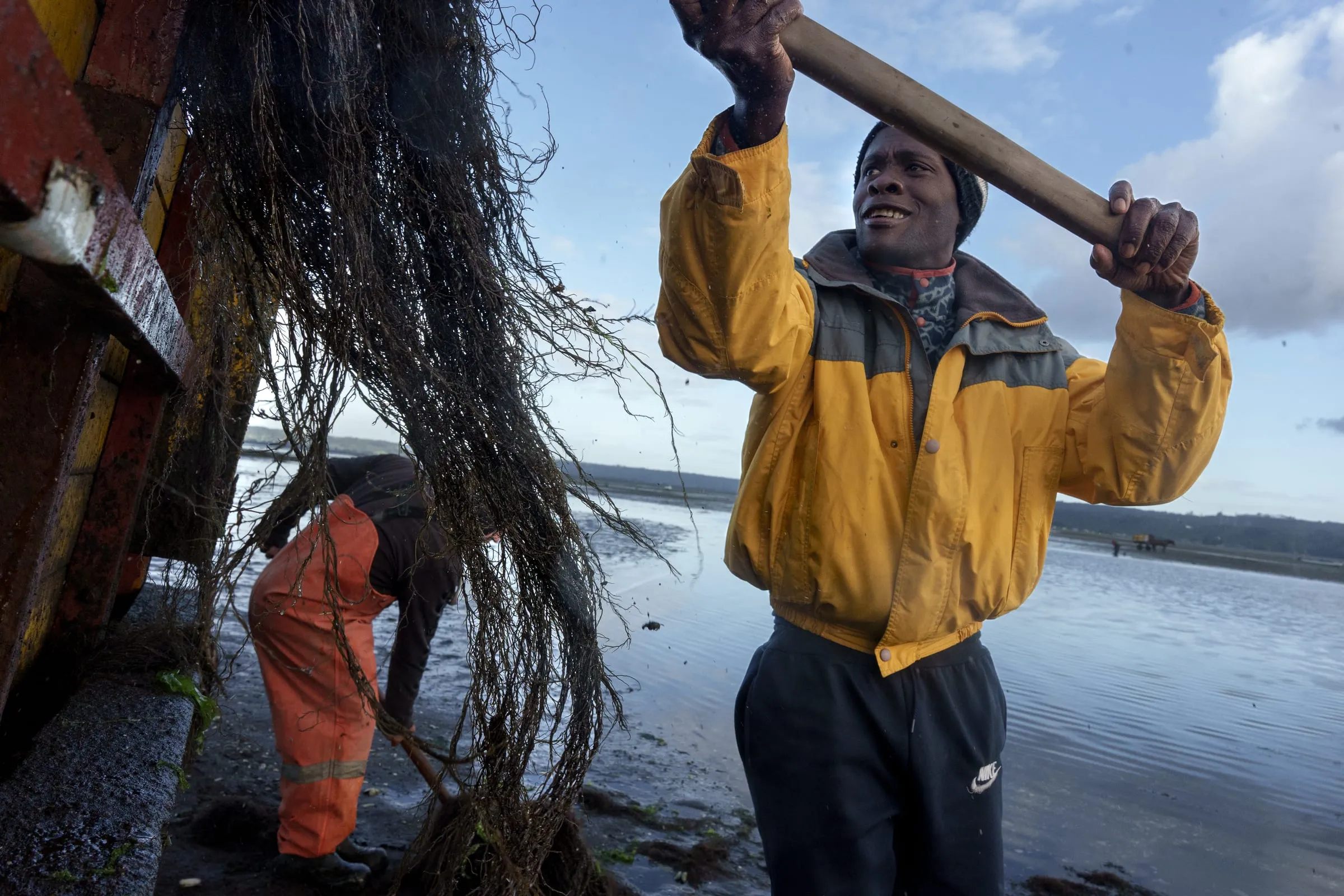
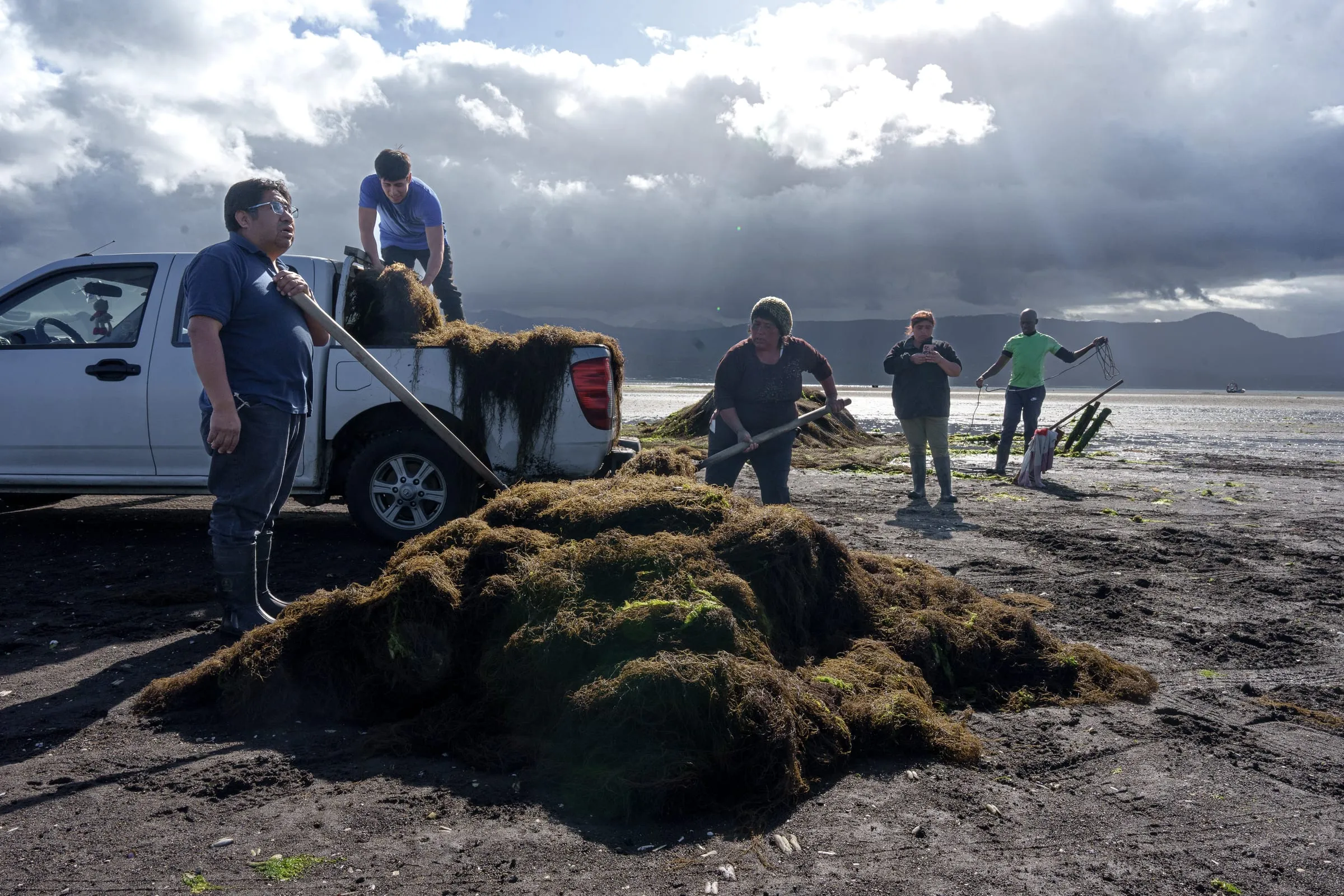
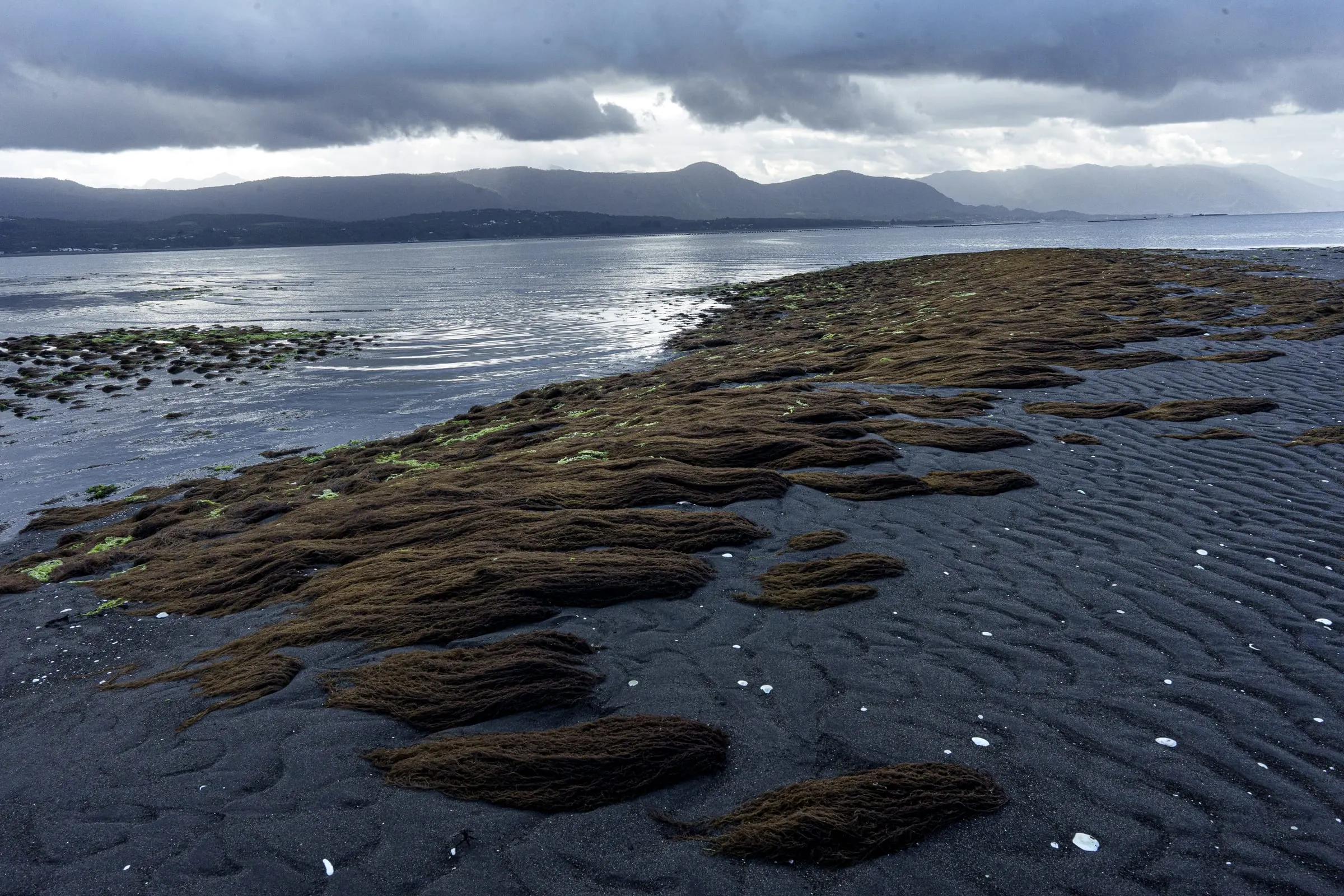
Marcelo drives his cart pulled by his horse Spirit at dawn. Pelillo can only be harvested during periods of low tide, when intertidal areas are exposed and allow the algae to be planted or collected. Seaweed harvesters must closely follow the tides and the lunar cycle to make the most of these access windows, which usually last no more than 90 minutes.Eduardo Pérez, 52, arranges the ropes used to set up Pelillo plantations after completing a morning harvest. He lives in an informal settlement in Coihuín, Los Lagos Region, Chile, like many other harvesters. The plantations are located about a 15-minute horseback ride from his home.Competition from lower-cost producers such as Indonesia, along with fluctuations in global demand, has driven down the price of pelillo. As a result, algueros are often forced to seek other sources of income when harvesting the algae is no longer sufficient to meet their needs. Some turn to shellfish gathering or firewood collection. Coihuín, Los Lagos Region, ChileMarcelo, 56, began working as an “alguero” (seaweed harvester) when he was just ten years old. He has worked in the trade ever since and is known for his strong work ethic, often harvesting even in unfavorable conditions. “Working on the seashore is like therapy for me,” he says. Coihuin, Los Lagos Region, Chile.Antonio, 31, rakes Pelillo (Gracilaria chilensis) during the harvest. Once known as “green gold” in the 1990s for its high profitability, Pelillo has seen a sharp decline in yields, while prices have become increasingly volatile and low. Overexploitation and clonal domestication have led to genetic degradation, and today, rising sea temperatures and ocean acidification further threaten the algae’s survival. Its potential extinction would be both ecologically and economically devastating, as hundreds of artisanal harvesters depend on it to sustain their livelihoods. Coihuín, Los Lagos Region, Chile.The algae is harvested for the production of agar-agar, a gelatinous substance used primarily as a thickening and gelling agent in the food industry. Before its industrial commercialization, pelillo was used locally as a natural fertilizer, particularly in potato farming. Beginning in the 1980s, rising demand from Asian countries, such as Japan, drove its large-scale exploitation.Marcelo poses during a break in a day of pelillo planting. In his community, he is known as an tireless worker, recognized for maintaining one of the most demanding work rhythms regardless of weather conditions. Before dawn, he heads to the beach with his cart to harvest or cultivate pelillo, a seaweed that grows in coastal areas covered by the sea. “Working here by the ocean is therapy for me—it’s how I relax,” he says. For decades, pelillo was the main source of income for coastal communities such as Coihuín, Río Mar, and Chamiza. Today, due to the lack of generational renewal and price volatility, the activity has lost its prominence, and only a few dozen seaweed harvesters continue the trade.Luis Troncoso, 56, plays with his colleagues, all members of the pelillo harvesters’ union. Winter is a low-yield season with little harvesting activity. During this time, algueros (seaweed harvesters) plant Pelillo, which begins to be collected in the spring months, starting in August. Amortajado, Los Lagos Region, Chile.Some algueros bring their dogs along during harvesting days for companionship during the long hours spent alone along the shore.Tiare, 7, helps her grandfather Marcelo by bringing the mare to prepare a second cart. The use of horse-drawn carts became common in Coihuín in the early 2000s, replacing ox carts and more rudimentary methods—such as transporting harvested pelillo in nylon nets—previously used to move the seaweed.Pelillo algae once grew abundantly along Chile’s south coasts, but overexploitation, pests, and pollution have drastically reduced natural stocks. Today, harvesters are forced to actively cultivate the algae to maintain production. Fewer than 2,000 algueros (seaweed harvesters) continue in the trade, many facing economic hardship as the demanding nature of the work drives younger generations away.Marcelo is joined by his grandson Santino, 4, during a day of pelillo harvesting. Santino’s father lives in Santiago, so Marcelo has taken on a paternal role in his daily life. Santino often joins him during the low tides, playing on the beach while his grandfather harvest pelillo seaweed.Yasniel, 36, migrated from Cuba seven years ago. After working initially in Osorno, he is now seeking opportunities in pelillo harvesting in Coihuín. Overexploitation and clonal domestication have reduced the algae’s genetic diversity, while rising sea temperatures and ocean acidification further threaten its survival. Coihuín, Los Lagos Region, Chile.Eduardo Vargas and his team load the truck to transport the pelillo to storage facilities. Eduardo plays a key role as the link between artisanal harvesters and the purchasing company, Algas Marinas, currently the only buyer of the algae in the area. He is a trusted intermediary: harvesters can sell to him year-round, and many who do not hold concessioned seabeds work with him during the tides.The intertidal flats of the Coigüín area were once entirely covered by natural beds of pelillo. Some residents recall algae mounds reaching up to five meters in height. Today, the activity continues through the manual planting of the algae in seabeds concessioned by the Chilean state. The survival of the algae is now threatened by changing ocean conditions and reduced resilience, as decades of intensive cultivation have lowered its genetic diversity.Next projectSiguiente proyectoURUSHI →