South Kalimantan, Borneo, Indonesia, 2024Kalimantan del Sur, Borneo, Indonesia, 2024
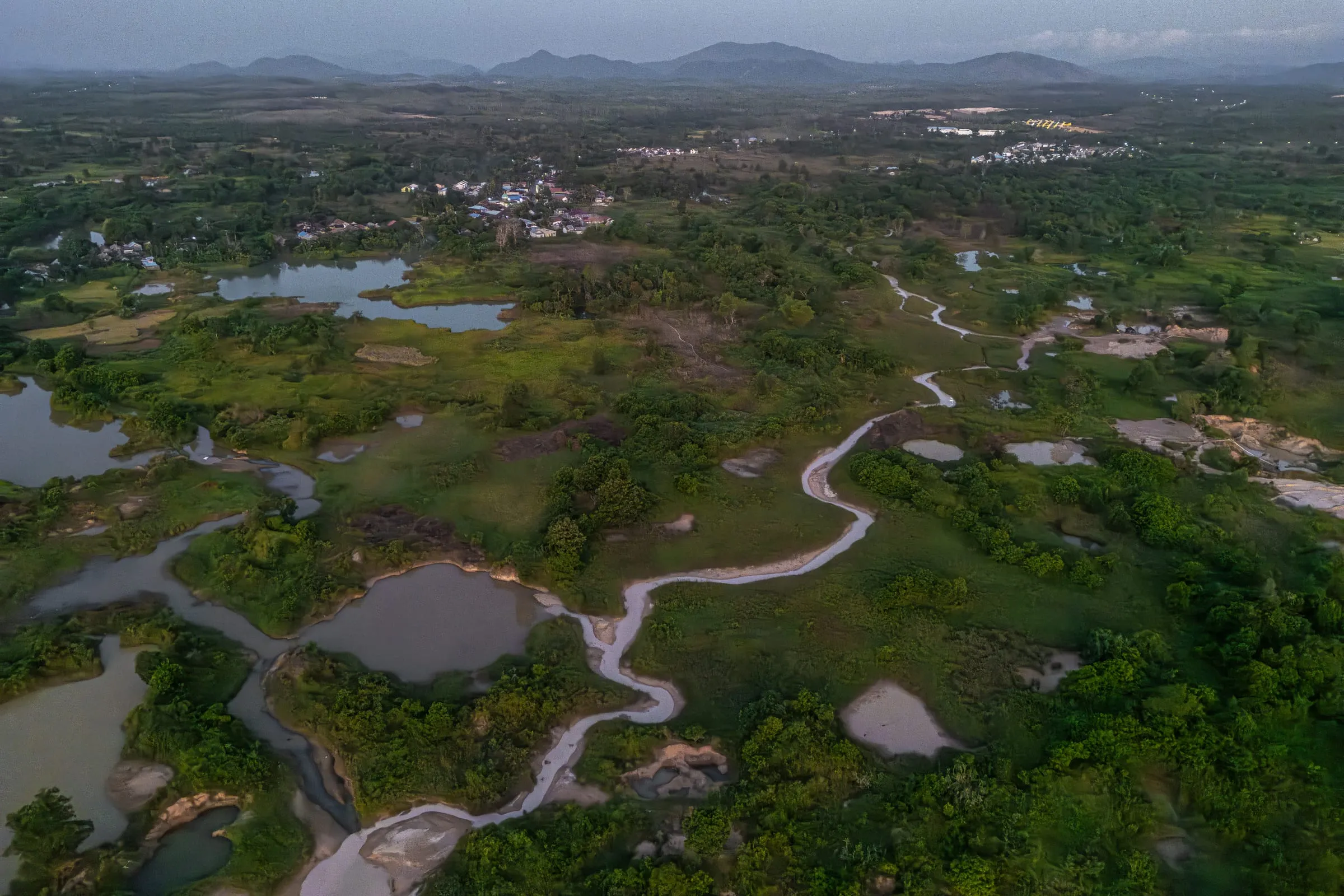
The island of Borneo is home to one of the world’s oldest diamond sources. During the Dutch colonial era, Cempaka’s mines thrived, drawing thousands of workers to the muddy fields of South Kalimantan. But as industrial mining rose in Africa and Russia, Borneo’s prominence faded and its output dropped.
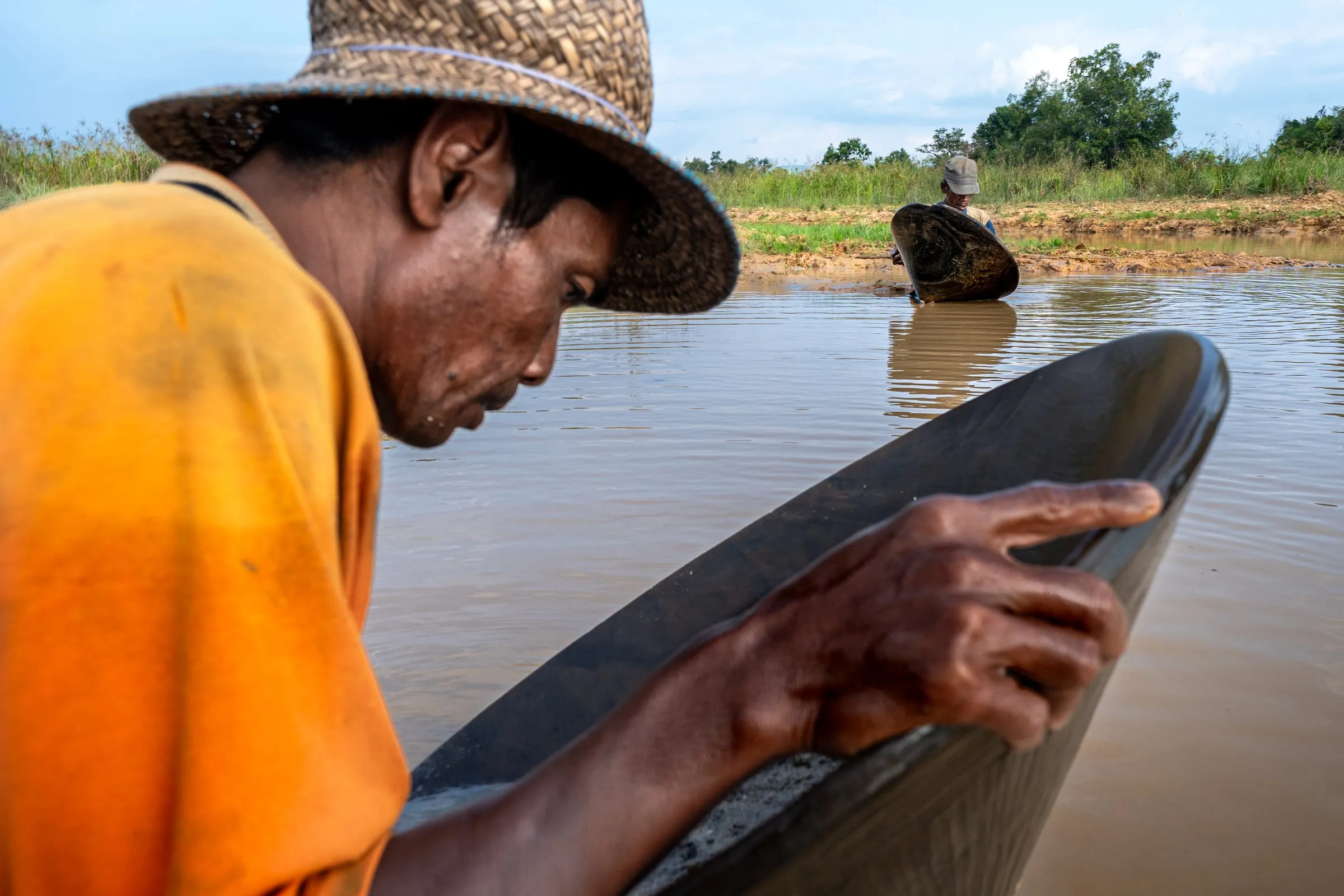
Today, only small-scale artisanal mining survives — more a way of life than an industry. In waterlogged pits, miners still use wooden pans to sift gravel by hand, chasing the glint of a stone that might change everything, even as the odds grow slimmer each year.
La isla de Borneo alberga una de las fuentes de diamantes más antiguas del mundo. Durante la época colonial neerlandesa, las minas de Cempaka prosperaron y atrajeron a miles de trabajadores a los campos fangosos de Kalimantan del Sur. Pero con el auge de la minería industrial en África y Rusia, Borneo perdió protagonismo y su producción cayó.
Hoy solo sobrevive la minería artesanal a pequeña escala, más un modo de vida que una industria. En pozos anegados, los mineros todavía usan bateas de madera para cribar la grava a mano, persiguiendo el destello de una piedra que podría cambiarlo todo, aunque las probabilidades sean cada año más escasas.
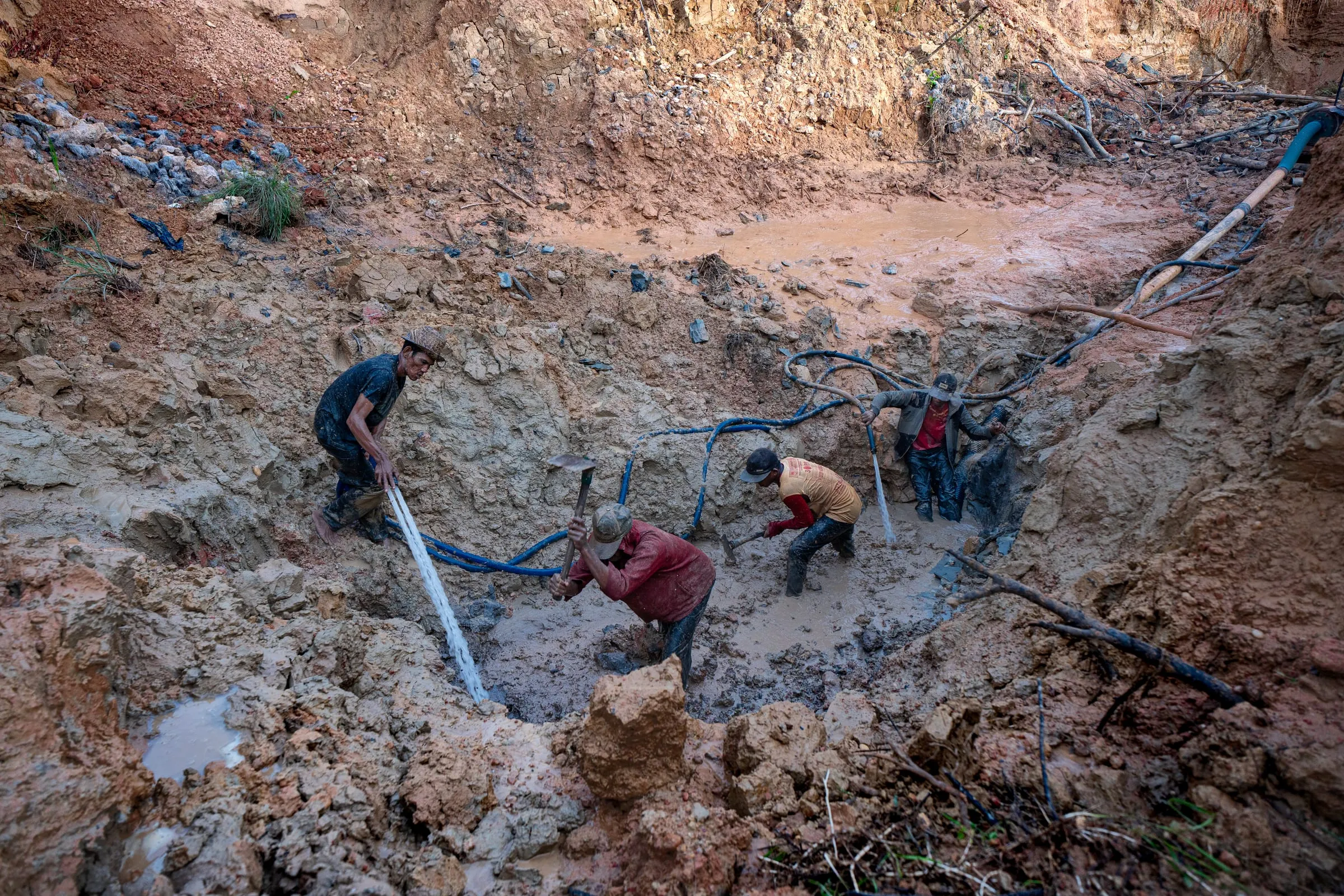
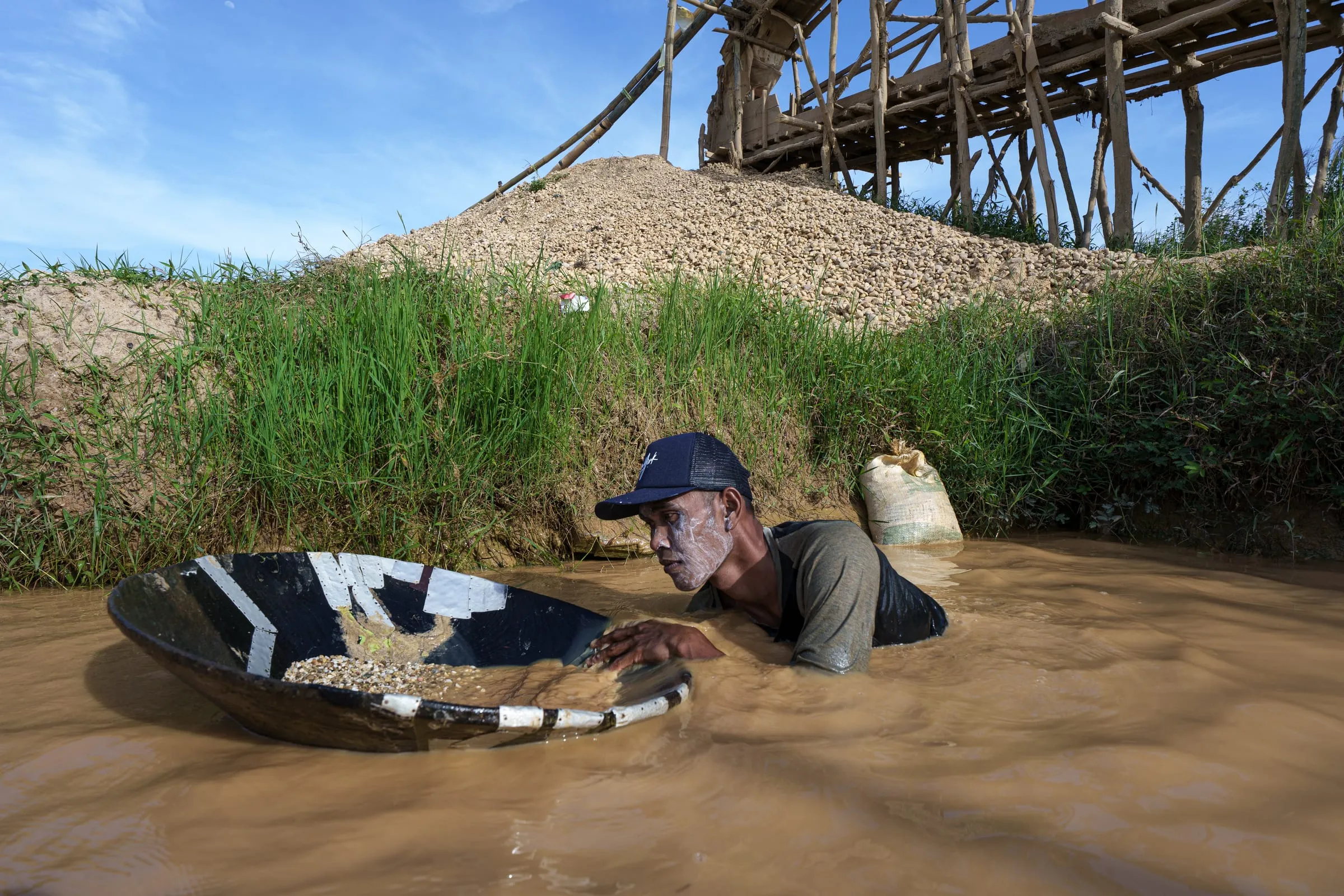
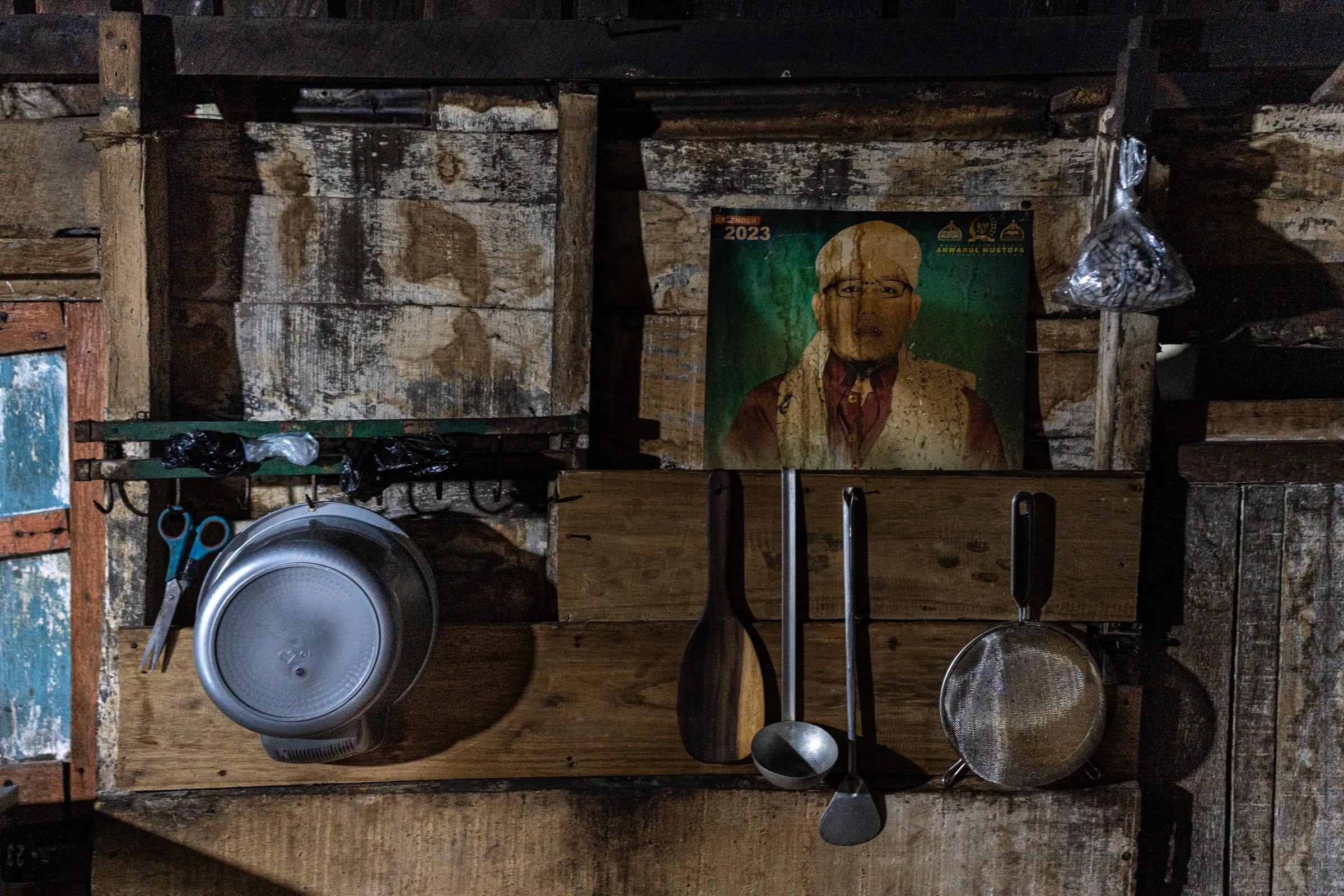
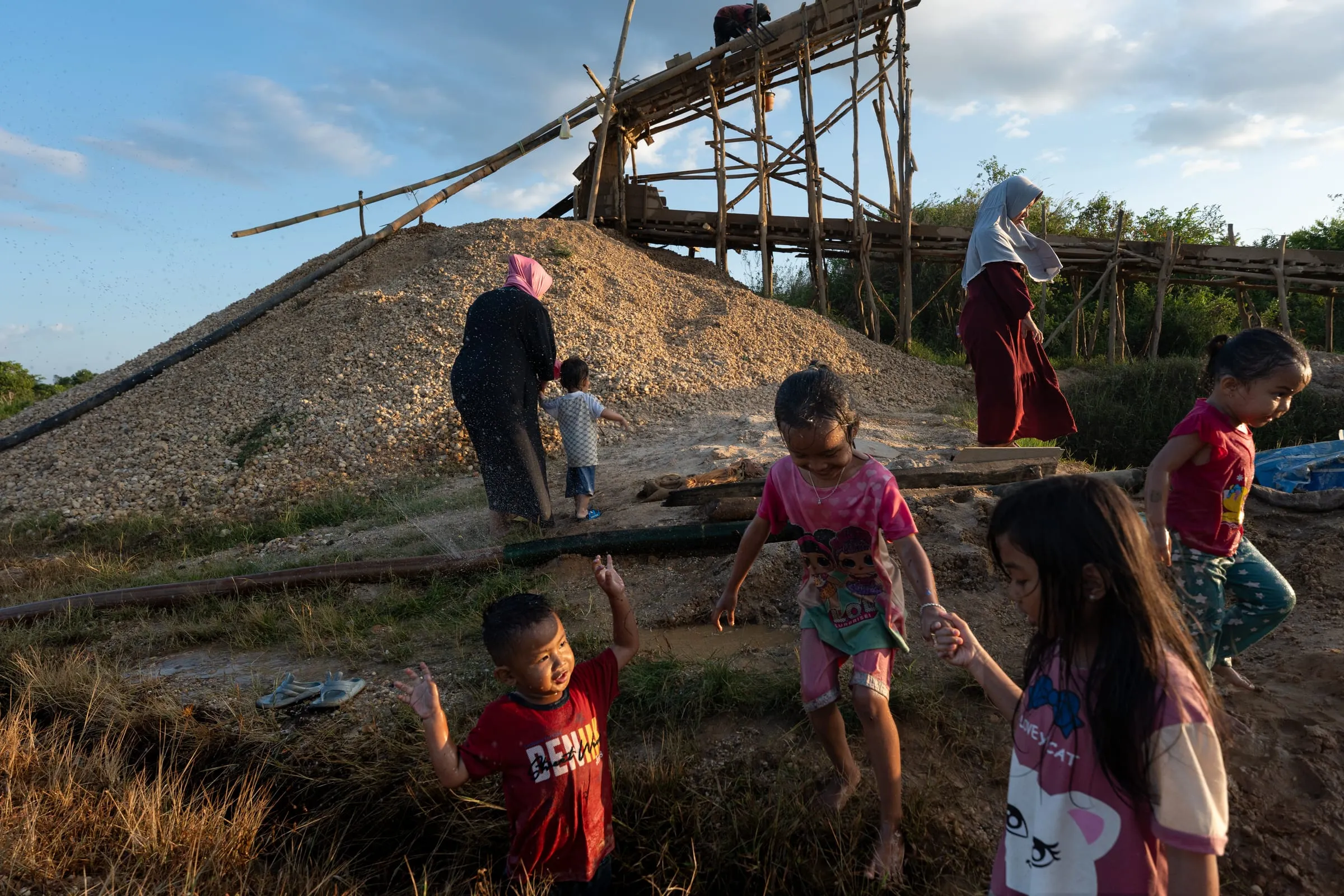
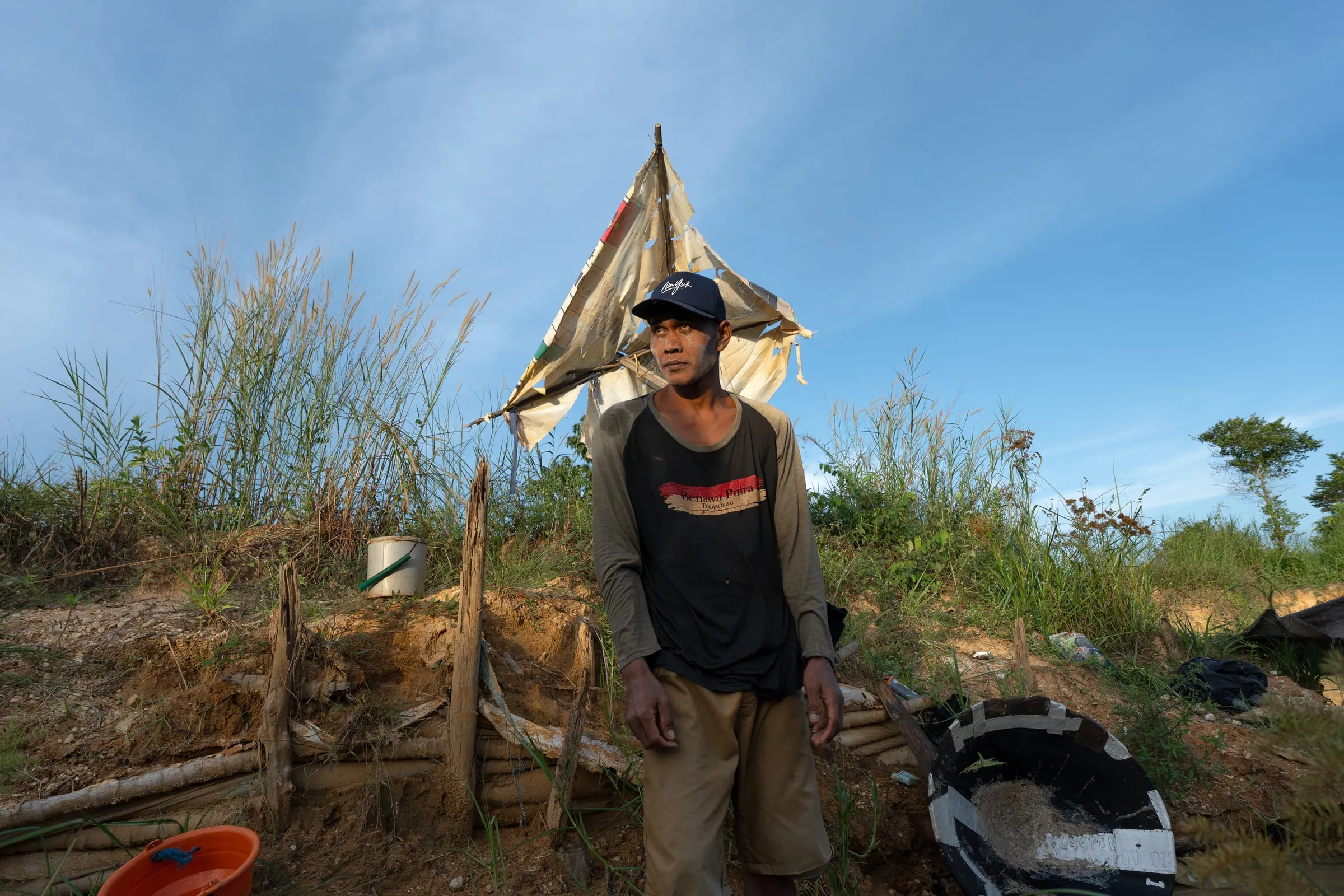
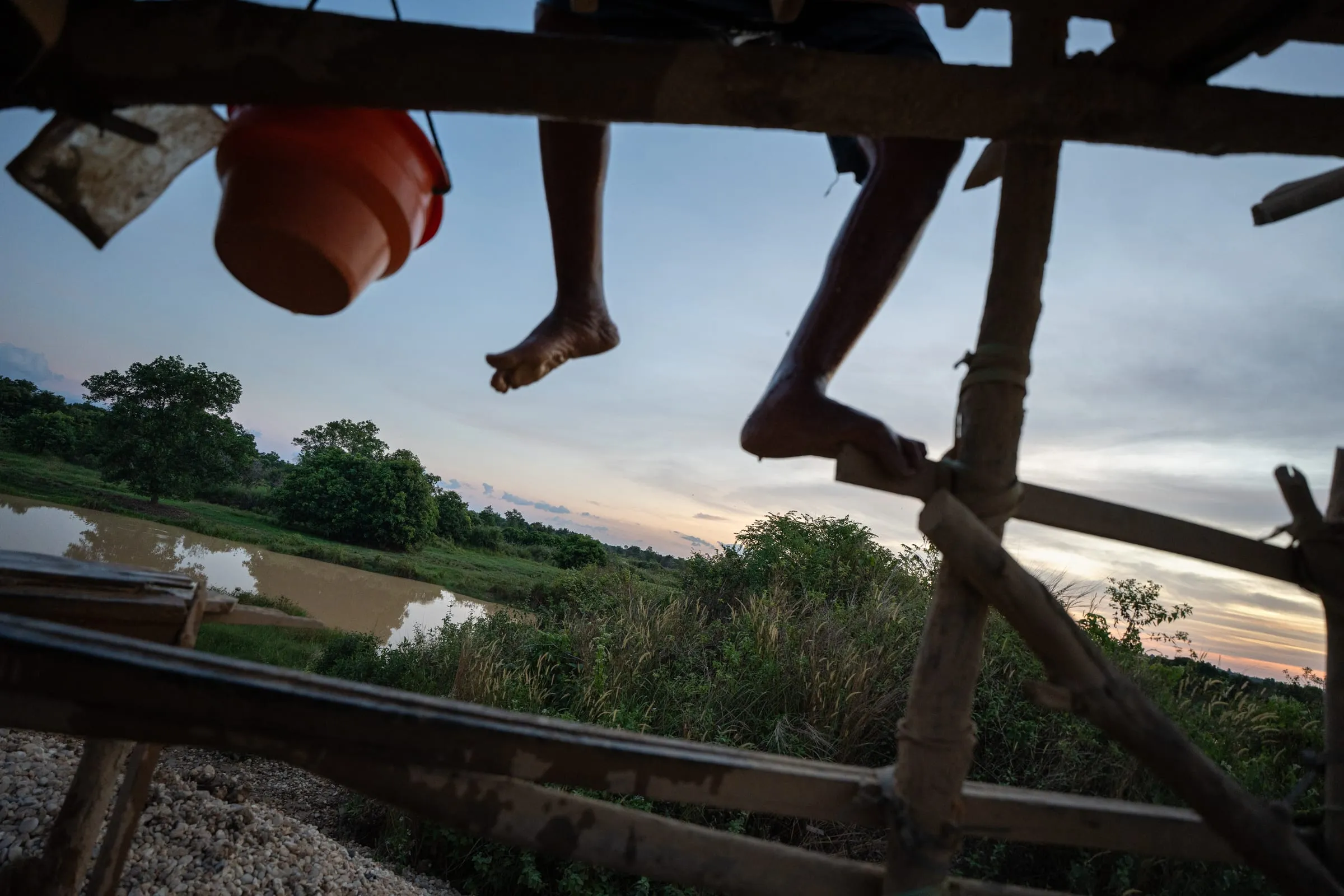
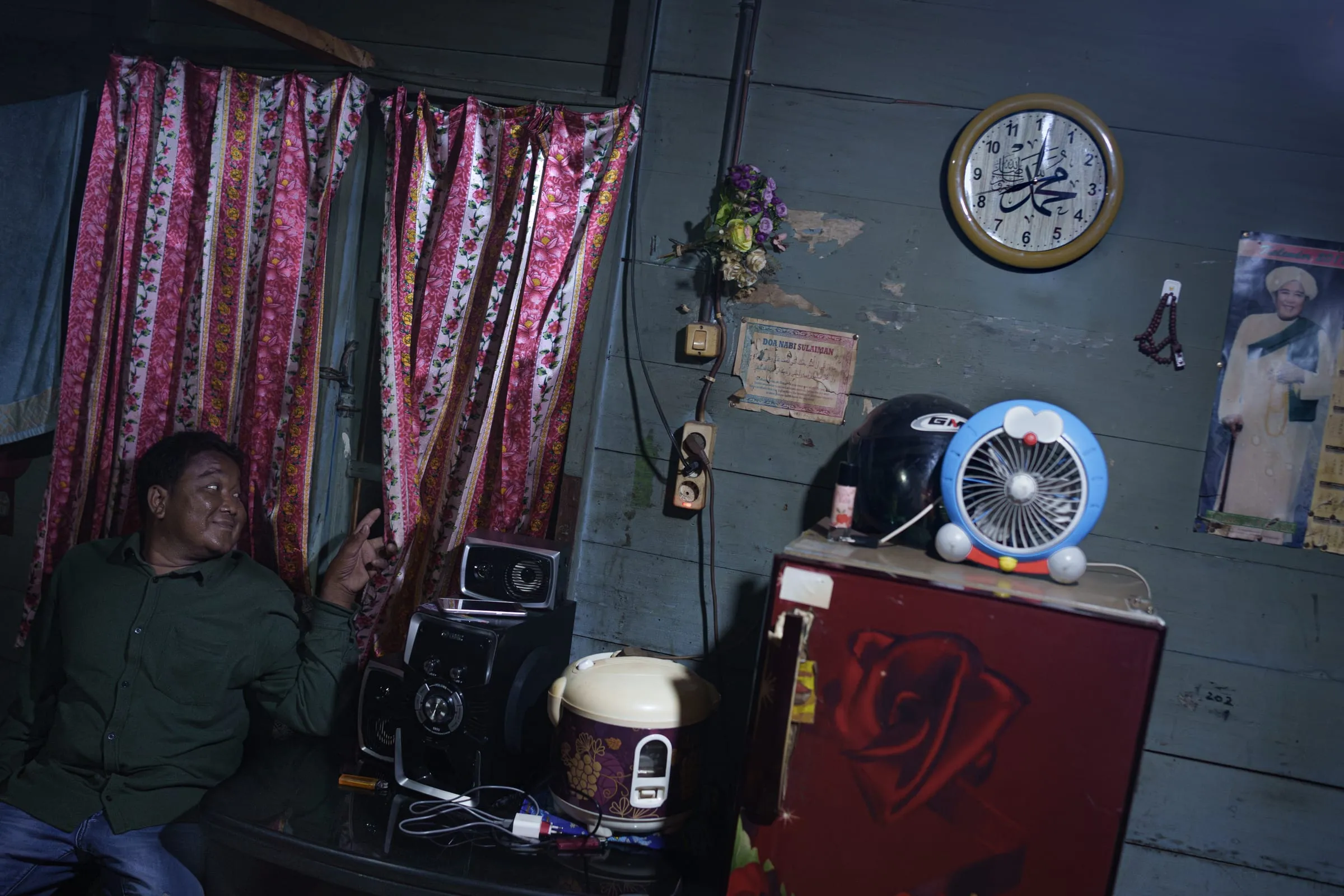
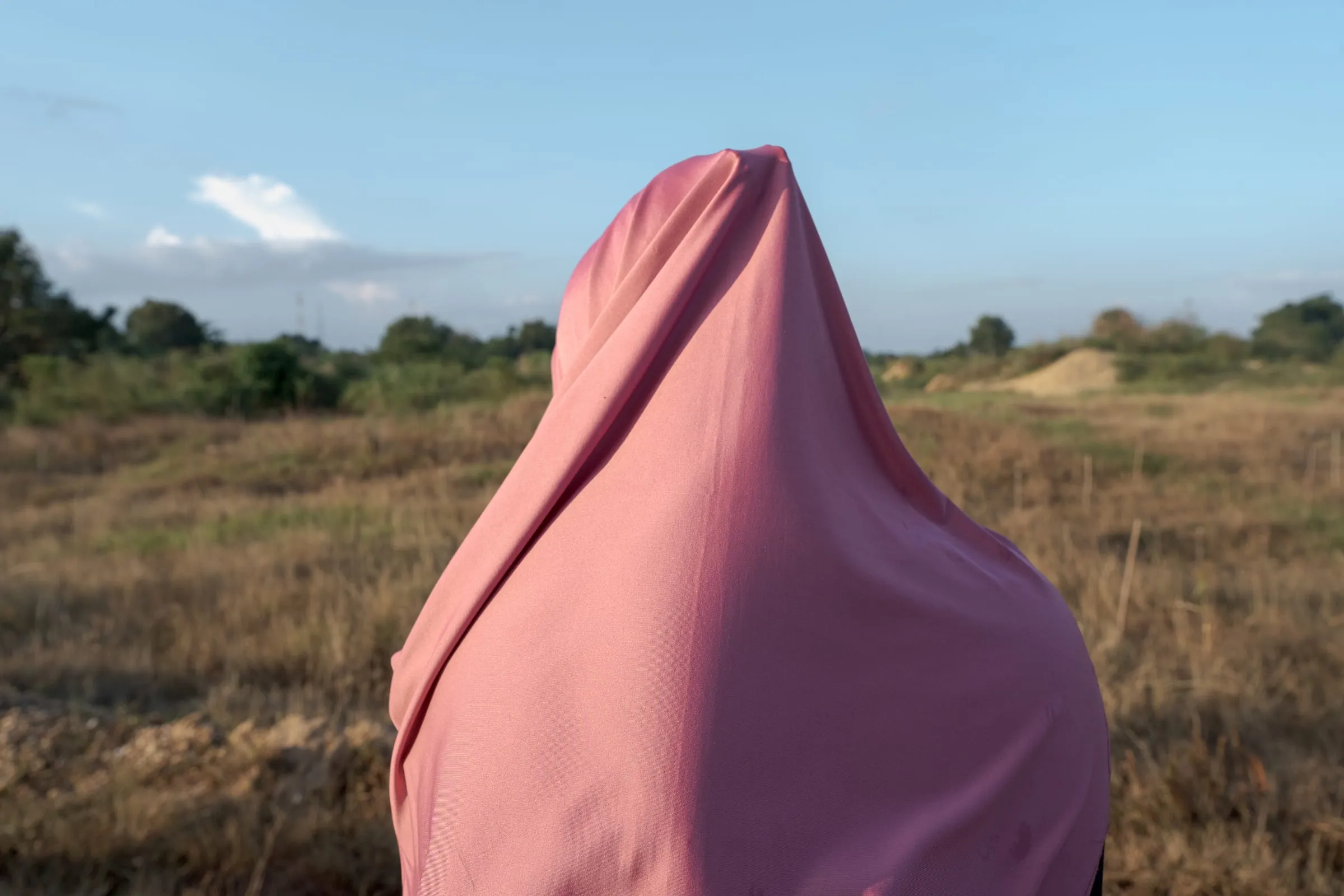
Miners dig deep pits in search of diamonds. They work in small teams led by a foreman. The pits, often around ten meters deep, are dug in unstable, waterlogged soil where landslides are frequent and can be deadly.Mohammed, 38, searches for diamonds using a dulang — a shallow wooden pan carved from black ironwood. He began mining at 18, alongside his brother Amin. Each day, they sift through hundreds of baskets of gravel, often finding nothing.The kitchen façade of Mohammed and Amin’s modest home near Cempaka Mine. The brothers live together with their parents and also with Mohammed’s wife and children. Their income from diamond mining barely covers daily necessities.The mining pit turns into a playground during Indonesia’s National Day holiday. Miners’ wives come with their children to play among the water hoses and muddy terrain. Even on public holidays, miners like Amin and Esol keep working — every extra day may bring the chance of a find.Anang, 35, and Adai, 47, wash gravel in their dulangs — ironwood pans used to separate diamonds from sand and clay. The work, done entirely by hand, requires patience and precision. Miners say it now takes weeks to find what once could be found in days.An aerial view of the Cempaka diamond fields in South Kalimantan. This region is among the world’s oldest diamond sources. Banjarbaru rose to fame when the legendary 166.75-carat Trisakti diamond was discovered here in 1965. The gem was later lost amid political turmoil following that year’s coup attempt.Mohammed takes a short break after hours of panning under the sun. Work begins mid-morning and often continues past sunset, when the heat eases. Despite exhaustion, miners return every day — driven by the faint hope of striking a gem.Amin climbs the wooden hoist tower built over the mine shaft. The frame supports ropes and pumps that lift water and gravel from depths of up to ten meters. The gravel is then filtered and washed several times a day in search of diamonds.After a long day in the pits, Amin rests inside his home near Cempaka. The next morning, he will return to the mine. For most miners, there are no days off — only the rhythm of digging and hoping.A woman watches the Cempaka mining fields at dusk. The Indonesian government plans to convert the area into an educational tourist site to reduce risks and provide alternative livelihoods for local communities.Next projectSiguiente proyectoSEAWEEDALGAS →